Ethereum vs Solana: The Epic Battle for Blockchain Resilience Explained
What is the All About?
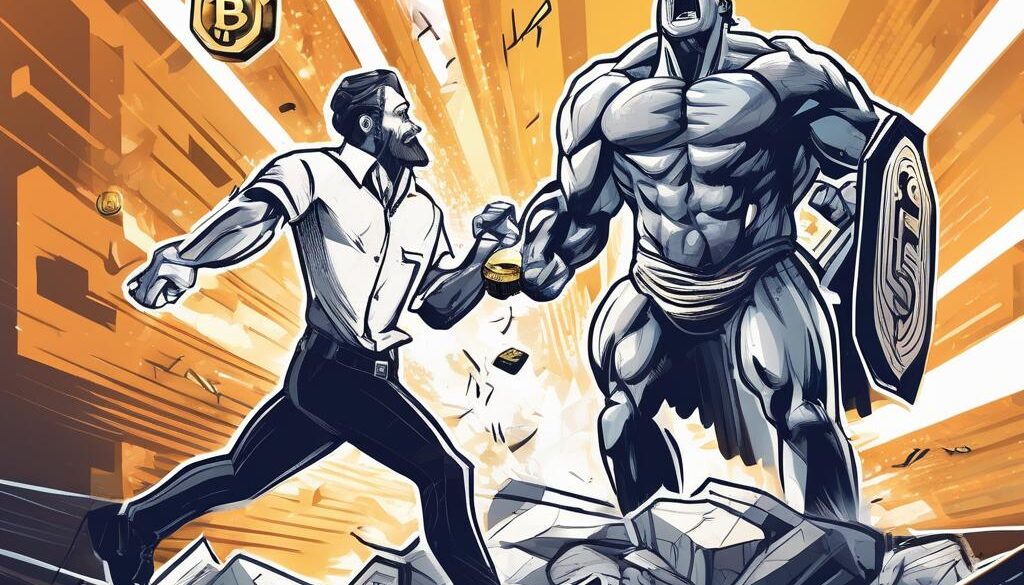
In the fast-paced world of crypto, two giants stand out: Ethereum and Solana. They power apps, tokens, and dreams of a decentralized future. But lately, they are clashing hard. The big question? What does blockchain resilience truly mean? Is it staying online no matter what? Or handling millions of users without breaking a sweat?
This
Defining : Uptime, Speed, or Both?
Blockchain resilience means a network can handle stress, attacks, and growth without failing. Key parts include:
- Uptime: How often the chain stays live. Downtime costs users money and trust.
- Scalability: Dealing with more users and transactions.
- Security: Protecting against hacks and spam.
- Decentralization: No single point of failure.
Ethereum and Solana see these differently. Ethereum prioritizes safety and spread-out nodes. Solana bets on super-fast tech to process tons of data quick. This difference sparks the feud.
Ethereum’s Take: Slow and Steady Wins the Race
Ethereum launched in 2015. It faced the 2016 DAO hack but bounced back. Now, after the Merge to Proof-of-Stake, it claims perfect uptime.
Key strengths:
- Over 1 million validators worldwide. Hard to shut down.
- Dencun upgrade cut layer-2 fees. Handles 100+ TPS easily via rollups.
- No major outages since 2020. That’s resilience in action.
Vitalik Buterin, Ethereum’s founder, stresses decentralization. He says chains with few validators risk central control. Ethereum’s model spreads risk, making it tough against DDoS attacks or congestion.
But critics say Ethereum is slow base-layer. Base TPS is low, relying on L2s like Optimism. Fees spike in bull runs. Still, no crashes prove its resilience.
Solana’s View: Speed is the Ultimate Resilience Test
Solana hit the scene in 2020. It promises 65,000 TPS and pennies per transaction. Built for mass adoption with Proof-of-History timestamping.
Big wins:
- Processed 1 billion+ memecoins in 2024. Handles hype without fee explosions.
- Low costs draw DeFi, NFTs, and games.
- Recent Firedancer upgrade aims to boost stability.
Yet, Solana faced pain. Five major outages since 2021, some from spam bots. Last big one in Feb 2024 lasted hours. Solana team blames bots overwhelming validators.
Anatoly Yakovenko, Solana co-founder, says real resilience shines under load. Ethereum avoids stress by design. Solana tests limits daily, learning fast.
The Clash: Tweets, Talks, and Data
The feud went public. Ethereum devs mock Solana’s “resets.” Solana calls Ethereum a dinosaur.
Outage stats:
| Chain | Major Outages | Total Downtime |
|---|---|---|
| Ethereum | 0 since Merge | Near 100% uptime |
| Solana | 10+ incidents | ~20 hours in 2023 |
Ethereum: “Resilience = never down.” Solana: “Resilience = recover quick under fire.”
Data shows Solana’s average TPS at 2,000-4,000. Ethereum L1 at 15, but L2s hit 100+. Both evolve.
Who Wins the War?
No clear winner yet. Ethereum suits finance needing trust. Solana fits consumer apps craving speed.
User impact:
- Traders: Solana’s speed wins.
- Institutions: Ethereum’s stability rules.
- Devs: Both grow, pick by needs.
Future? Ethereum’s Prague upgrade boosts L1. Solana’s 2.0 adds better spam protection. Competition drives progress.
Lessons for Crypto Fans
The
Tools to check:
- Dune Analytics for TPS data.
- Status pages for uptime.
- DefiLlama for TVL.
As crypto grows, blockchain resilience will define leaders. Stay tuned—this feud shapes Web3.