Merchants Rally for Swipe Fee Reform Amendment in Senate’s Crypto Legislation: Trump’s Backing Heats Debate
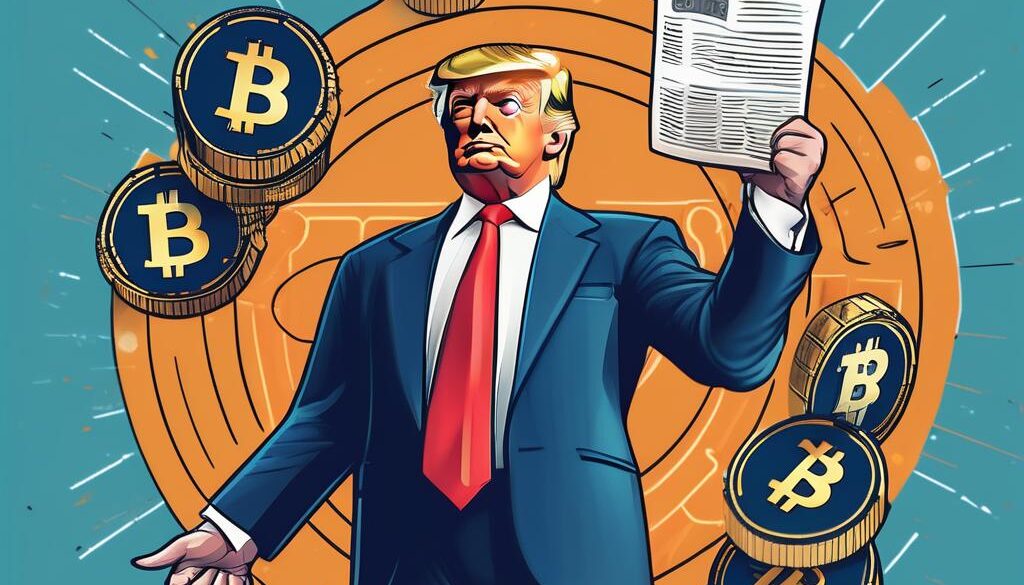
Merchants Rally for Amendment in Senate’s : Trump’s Backing Heats Debate
In a bold move blending traditional payments with the future of finance, hundreds of merchant groups are pressing the U.S. Senate Agriculture Committee to attach a key amendment to upcoming cryptocurrency legislation. This push targets sky-high credit card “swipe fees” and has gained steam with recent support from President Donald Trump. As the Senate gears up for a vote on crypto marketplace rules, this amendment could reshape how merchants handle payments—potentially paving the way for more competition, including from blockchain-based systems.
The Swipe Fee Crisis Hitting Main Street Hard
Credit and debit card swipe fees are a massive burden for U.S. merchants. These fees—charged every time a customer swipes, taps, or inserts a card—hit a record $187.2 billion in 2024. That’s up 70% since the pandemic. For most retailers, it’s their biggest cost after wages.
Small shops feel the pain most. With thin profit margins and limited cash, they can’t absorb these rising costs. Instead, they pass them on to shoppers, adding nearly $1,200 a year to the typical family’s expenses. Big players like Visa and Mastercard dominate 80% of the market. They set the fees for banks issuing their branded cards and block cheaper, more secure networks from processing transactions.
- Visa and Mastercard control fees centrally.
- They limit choices to their networks only.
- Small merchants suffer the most from fee hikes.
This lack of competition keeps fees high and innovation low. Enter the Credit Card Competition Act (CCCA), a bill aimed at fixing this.
What is the Credit Card Competition Act?
The CCCA seeks to spark real rivalry in card processing. It would force big banks—those with over $100 billion in assets—to let their cards run on at least two unaffiliated networks. One could be Visa or Mastercard, the other a competitor like NYCE, Star, or Shazam.
Key details:
- Banks pick the networks.
- Merchants choose which to use at checkout.
- Expected savings: $17 billion a year for merchants and consumers.
- No impact on rewards programs.
- Better security and same cards for users.
- Small banks and nearly all credit unions exempt.
The original bill uses Federal Reserve oversight. But the new amendment swaps that for antitrust enforcement, keeping the core idea intact.
Tying Swipe Fees to Crypto Legislation: A Smart Strategy?
The Senate Agriculture, Nutrition, and Forestry Committee is set to vote on cryptocurrency marketplace structure legislation soon. Senators Roger Marshall (R-Kan.), Richard Durbin (D-Ill.), and Peter Welch (D-Vt.) are leading an amendment to fold the CCCA into this crypto bill.
Why link payments reform to crypto? Crypto bills often move fast in committees like Agriculture, which oversees commodities trading—a nod to digital assets as the next big thing. Merchants see this as a “moving vehicle” to pass swipe fee relief quickly.
“Choose Main Street merchants and American consumers over Wall Street megabanks and global card networks.”
This quote from a letter signed by nearly 350 merchant trade groups captures the urgency. These groups span all 50 states, from family stores to big chains. They call swipe fees an “unjustified ripoff” hurting small businesses worst.
Trump’s Endorsement Ignites Momentum
Two weeks ago, President Trump threw his weight behind the CCCA, calling it vital to “stop the out of control Swipe Fee ripoff.” The bill was reintroduced in both House and Senate right after. Trump’s nod has bipartisan appeal—Marshall (Republican) and Durbin (Democrat) as leads show rare unity.
Support runs deep:
- Almost 2,000 companies back the CCCA.
- Consumer, labor, and pro-competition groups praise it for easing costs amid inflation.
- The Coalition of Large Tribes (over 50 Native American tribes) urges quick inclusion.
- Small business advocates highlight affordability as America’s top economic worry.
Implications for Crypto and Blockchain Payments
While the CCCA targets traditional cards, its tie to crypto legislation matters for blockchain fans. High swipe fees push merchants toward alternatives like crypto payments, which often dodge these charges entirely. Bitcoin, stablecoins, and other digital assets offer near-zero fees via networks like Lightning or layer-2 solutions.
Reform could level the field:
- Lower fiat costs mean merchants might stick with cards longer, delaying full crypto shift.
- More competition in payments mirrors blockchain’s ethos—decentralized, user-choice networks.
- Crypto bills often include payments rules, so this sets precedent for open networks in digital dollars too.
- Savings boost merchant profits, freeing cash for crypto adoption tools like wallets or POS integrations.
Networks like NYCE or Star could evolve with blockchain tech, blending old and new. Imagine Visa cards routing through a crypto-secured competitor—hybrid payments ahead?
What’s Next for the Senate Vote?
The committee votes Tuesday. If the Marshall-Durbin-Welch amendment passes, it heads to the full Senate. Giants like Visa and Mastercard will fight back, citing security risks (though backers say competition improves it). Community banks stay safe, focusing heat on the biggest players.
Merchants Payments Coalition (MPC)—voice for retailers, grocers, gas stations, and online shops—leads the charge. They fight for fair, transparent card systems benefiting all.
Why This Matters for Your Wallet and the Crypto Future
Cheaper swipe fees mean lower prices at checkout. For crypto users, it’s a win too—pressuring legacy systems to innovate or lose ground to blockchain. As crypto marketplace rules solidify, expect more overlaps with everyday finance.
Stay tuned: This vote could save billions and nudge payments toward a more competitive, decentralized era. What do you think—will swipe reform boost or hinder crypto growth?
Follow for updates on crypto policy, blockchain payments, and finance news.