Supreme Court Strikes Down Trump Tariffs: Why Crypto Markets Remain Unshaken – For Now
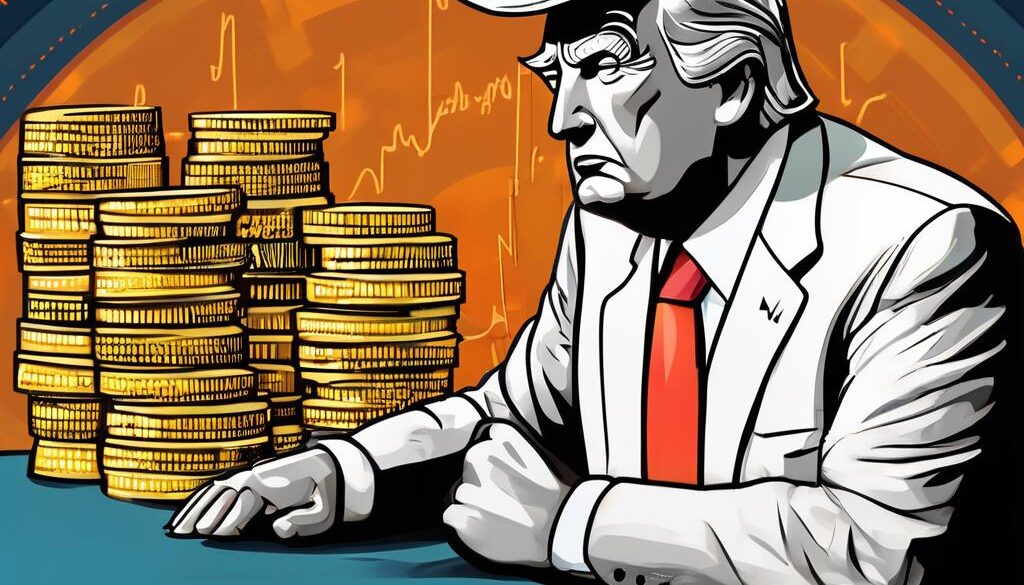
Supreme Court Strikes Down Trump Tariffs: Why Crypto Markets Remain Unshaken – For Now
In a major 6-3 ruling, the U.S. Supreme Court has blocked President Donald Trump’s use of emergency powers to impose broad tariffs. This decision ends a key part of his trade strategy. Markets reacted calmly, with little drama. But what does this mean for Bitcoin and the crypto world? The short answer: not much shaking things up yet. Crypto prices, like BTC at around $67,871, dipped briefly then recovered fast.
While the ruling limits one tool in Trump’s trade toolbox, he has promised quick replacements. This could shift focus in Washington away from crypto-friendly laws. Let’s break it down step by step, from the court decision to its ripple effects on digital assets.
The Supreme Court Ruling: What Happened?
The court said Trump overstepped with tariffs under the International Emergency Economic Powers Act (IEEPA). These were meant to fight unfair trade but hit too wide. Trump called the decision “deeply disappointing” but vowed to act fast.
“There are methods, practices, statutes and authorities… that are even stronger than the IEEPA tariffs,” Trump said in a press conference.
Soon after, he announced a new 10% global tariff using other legal paths. This keeps trade pressure on, but through different rules.
Crypto Market Reaction: A Quick Blip, Then Back to Normal
Bitcoin popped on the news, then dropped a bit – classic volatility. But overall, crypto stayed steady. Why? Tariffs target goods like steel and tech parts, not digital assets directly. Crypto trades globally, dodging many U.S. trade walls.
- Bitcoin (BTC): Traded near $67,871 post-ruling, showing resilience.
- Ethereum and altcoins: Minimal moves, as investors eye bigger issues like regulation.
- Stock markets: Took it in stride too, no panic selling.
The real watchpoint? How this distracts lawmakers from crypto bills.
Political Fallout: Tariffs vs. Crypto Legislation
Washington is busy. The Senate pushes the Digital Asset Market Clarity Act – a big win for crypto structure and rules. But tariff fights could steal the spotlight. With midterms looming, every vote counts.
Pro-crypto voices like Senator Bernie Moreno (R-OH), a Trump ally, slammed the ruling:
SCOTUS’s outrageous ruling handcuffs our fight against unfair trade that has devastated American workers for decades.
On the flip side, Senator Elizabeth Warren (D-MA) cheered but warned of lasting damage. She noted tariffs cost households $1,000 last year and $1,300 this year, per Tax Foundation data.
“The court has struck down these destructive tariffs, but there is no legal mechanism for consumers… to recoup the money,” Warren said.
Think tanks like Cato Institute push for refunds on billions in duties. But small businesses may struggle with paperwork and lawsuits.
Midterm Elections: The Real Crypto Threat?
This tariff drama will dominate 2026 midterms. Wins for Democrats could flip the House, stalling crypto progress. A Democratic majority might demand tougher rules on the Clarity Act – think stricter taxes or oversight.
Even if the bill passes soon, other fights loom:
- Crypto taxation reforms.
- Government Bitcoin reserves – Trump ordered one, but no buys yet despite rumors from CNBC’s Jim Cramer about action at $60K.
- Market structure rules for exchanges and tokens.
Democrats may use tariff pain to rally voters, boosting their chances. A shift could mean more hurdles for crypto growth in the U.S.
Broader Impacts on Crypto and Blockchain
Tariffs aim at China and others, slowing global trade. Crypto thrives on borderless flow – remittances, DeFi, NFTs. Slower trade might push more folks to digital dollars like stablecoins.
But new tariffs could hike costs for mining hardware (mostly from Asia). U.S. miners might face higher gear prices, squeezing margins. Long-term, this boosts calls for domestic production and pro-crypto energy policies.
Insight: Trump’s pivot to other tariff laws shows trade wars persist. Crypto’s decentralized nature shields it short-term, but U.S. policy shifts could sway global sentiment.
Bitcoin Reserves: Rumor vs. Reality
Amid the noise, whispers of U.S. Bitcoin buys. Trump did greenlight a reserve, but it’s empty. No fed purchases yet, even as BTC eyes $70K. Cramer’s hype aside, focus stays on legislation over stockpiles.
What’s Next for Crypto Investors?
- Watch midterms: House control decides bill fates.
- Track new tariffs: Indirect hits on hardware or sentiment.
- Eye Clarity Act: Passage by summer changes everything.
- Stay diversified: BTC leads, but alts and DeFi hedge risks.
The
Updated February 20, 2026. BTC price as of writing.