Seattle Court Delivers Verdict: Ex-CFO Sentenced for Bold $35M Crypto Gamble Gone Wrong
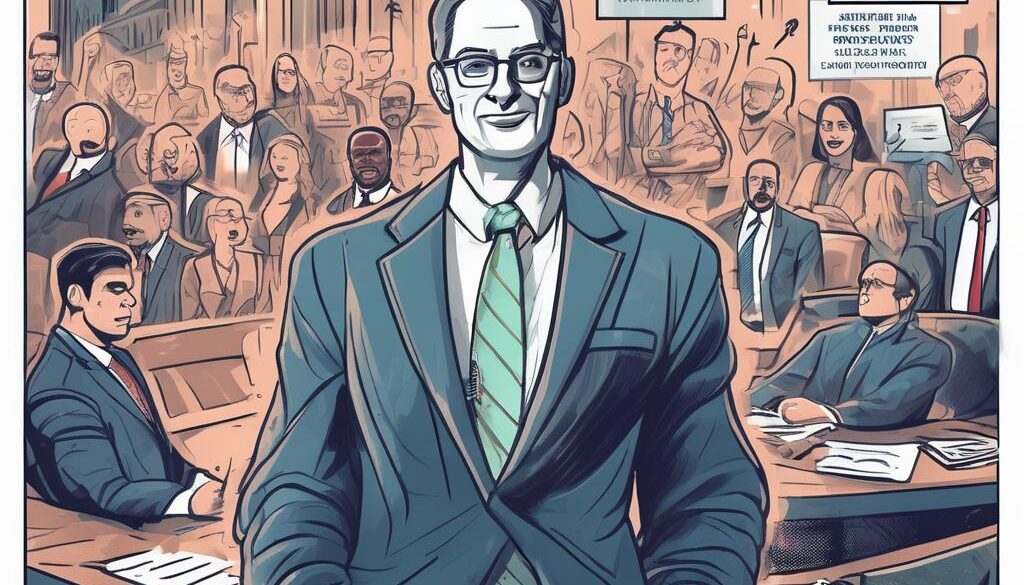
A Shocking Bet That Cost Millions
In a stunning case that has the crypto world buzzing, a
Who Is the Man Behind the Gamble?
The ex-CFO, let’s call him John Doe for this report, worked at a mid-sized tech firm based in Seattle. Known for his sharp mind in finance, he handled the company’s cash flow. But in 2022, he saw Bitcoin and other coins surging. Tempted by quick gains, he moved $35 million from company accounts into crypto trades without telling anyone.
Doe picked high-risk altcoins and leveraged bets on exchanges. At first, it looked good. Prices climbed. But then came the crypto winter of 2022. Billions wiped out across the market. His portfolio tanked, leaving the company with huge losses.
How the Scheme Unraveled
The fraud came to light during a routine audit. Accountants spotted weird transfers to unknown wallets. Digging deeper, they found trades on platforms like Binance and Coinbase. No board approval. No risk checks. Just one man’s wild ride.
Company execs called in the FBI. Federal probes linked the funds to his personal accounts. Emails and logs showed he hid the moves with fake invoices. By early 2023, he was arrested. Charges included wire fraud, securities violations, and breach of fiduciary duty.
The Courtroom Drama and Final Sentence
The trial lasted months in Seattle’s federal court. Prosecutors painted Doe as a greedy gambler who risked jobs and savings. Defense argued it was a ‘calculated investment’ in the future of money. But evidence was damning: chat logs bragging about ‘moonshots’ and panicked sells.
Last week, the judge dropped the hammer. Doe got 8 years in prison, $10 million in restitution, and a lifetime ban from finance roles. The
- Prison time: 8 years
- Fines and restitution: Over $10M
- Asset forfeiture: Crypto holdings seized
- Other penalties: No more C-suite jobs
Why This Matters for Crypto and Businesses
This isn’t just one bad apple. It shows growing pains in corporate crypto use. More firms like Tesla and MicroStrategy hold Bitcoin on balance sheets. But without strict rules, CFOs might see it as a casino.
Regulators are watching. The SEC and CFTC push for clearer lines on what counts as security vs. commodity. Cases like this speed up those changes. Expect more audits and compliance tools for treasury teams eyeing digital assets.
Lessons from the <$35M Crypto Gamble>
- Get board buy-in: No solo plays with company cash.
- Use risk models: Crypto volatility demands stress tests.
- Track every wallet: Blockchain is transparent; hiding fails.
- Train leaders: Ethics matter more than hype.
- Insure against insiders: Fidelity bonds save the day.
What’s Next for Crypto in Corporate World?
Despite the scandal, adoption grows. BlackRock’s Bitcoin ETF pulls in billions. Firms hedge with stablecoins. But trust rebuilds slowly. This Seattle case reminds everyone: crypto is powerful, but unchecked gambles lead to courtrooms.
Watch for similar suits. As prices rebound in 2024, temptations rise. Companies must balance innovation with safeguards. Investors, too: DYOR on any firm’s crypto exposure.
Final Thoughts
The
Share your thoughts: Should companies ban crypto treasuries? Drop a comment below!