
Why Governance is the True Layer 1 for Blockchain Success
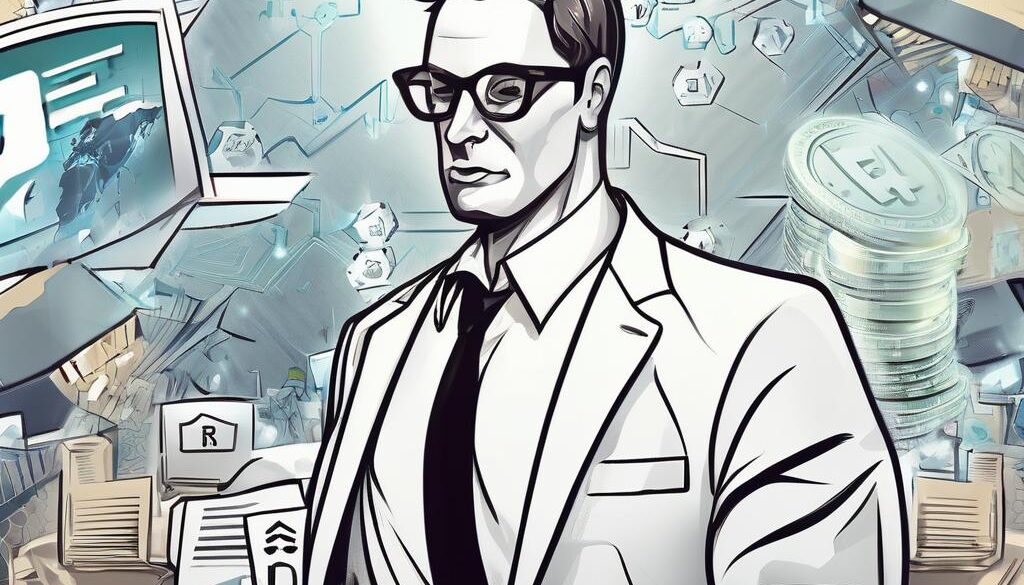
Why is the True Layer 1 for Blockchain Success
In the fast-moving world of blockchain and crypto, everyone talks about Layer 1 protocols. These are the base networks like Ethereum or Solana that power everything else. But what if the real foundation is not speed or scalability? What if
Recent events show this clearly. When Silicon Valley Bank collapsed in 2023, USDC – a major stablecoin – lost its $1 peg for a short time. Billions in reserves were stuck, markets froze, and trust shook across crypto. This was traditional finance hurting digital assets. Now, imagine the reverse: crypto problems spilling into banks and stocks. Who steps in? Who takes the losses? How do we rebuild trust?
As blockchains support more real-world finance, strong
The Old Debate: Public vs. Private Blockchains
For years, blockchain fans argued over public versus private networks.
- Public networks like Bitcoin offer openness and no censorship. Anyone can join, verify, or build. But upgrades are slow, rules hard to change, and emergencies tough to handle.
- Private networks give control and easy compliance. They fit regulations but lack true openness and trust from decentralization fans.
Now, with big money flowing in, hybrid models win. These mix public openness with private control. They allow public checks while having clear leaders for decisions. This setup fits regulated finance, like tokenizing assets or stablecoins.
Governance in Action: Lessons from Crises
Good governance plans ahead. In traditional finance, banks know who calls shots in a crash. Blockchains need the same.
Take the March 2020 crash. MakerDAO, a DeFi lender, faced auction fails and lost millions. It recovered with emergency moves, but it hurt. Other networks forked code after hacks – but too late.
As tokenization grows – turning stocks, bonds, or real estate into tokens – risks rise. Governance must predict issues like stablecoin runs, hacks, or sanctions. Clear roles before trouble hits save the day.
Stress-Testing Blockchain Governance
Banks run stress tests yearly. Crypto networks should too. Simulate crises: What if a stablecoin depegs? New rules hit? AI tools go wrong?
Hybrid networks shine here. They test:
- Roles: Who votes? Who executes?
- Incentives: Tokens reward good behavior?
- Coordination: Fast upgrades without chaos?
This builds tough systems ready for real stress.
Institutional Crypto: Governance Meets AML Risks
Banks and funds now eye crypto. Europe’s MiCA rules and U.S. stablecoin bills speed this up. But crypto is not just another product. It changes everything, especially anti-money laundering (AML).
Key shifts:
| Traditional Finance | Crypto |
|---|---|
| Control via accounts, reversible tx | Private keys, irreversible transfers |
| Static customer checks | Dynamic wallet tracking |
| Simple laundering paths | Chain-hopping, mixers, DeFi |
In crypto, risk is in keys and behavior, not just names. Custody needs multi-sig wallets, cold storage. Non-custodial users? Watch on-chain flows for mixer use or bad peers.
Institutions must:
- Build digital asset teams.
- Run live risk checks, not yearly reports.
- Learn blockchain forensics – trace funds across chains.
Protocols like Maple show demand. Loans hit $1B+, assets at $4.6B. Firms want safe lending even in down markets.
Privacy and Governance: The AI Challenge
Blockchain data grows fast. AI eats it up, breaking weak privacy like obfuscation (hiding amounts). Strong models use encryption, like Zcash. They hide data at source.
Five privacy types:
- Obfuscation: Fading with AI.
- Encryption: Gets stronger.
- Mixers: Risky, regulated.
- Zero-knowledge: Promising for scale.
- Layer 2 privacy: Emerging.
Governance must balance privacy with compliance. Hybrids can enforce rules without killing anonymity.
The Future: as Layer 1
Networks with top tokens or speed may fade. Winners govern well under fire. Hybrids like Hedera (up lately) show the way: public verify, governed upgrades.
AI adds twists. It could automate governance – vote smart, predict risks. But needs human oversight.
For investors: Look for clear governance docs, stress tests, hybrid designs. They signal long-term wins.
Conclusion: Build for Resilience
Stay ahead: Watch governance upgrades, AML tools, privacy shifts. The resilient blockchains will own tomorrow’s finance.
Keywords: blockchain governance, crypto Layer 1, hybrid blockchains, DeFi risks, institutional crypto adoption


