JPMorgan CEO Jamie Dimon Brands Crypto Tokens as ‘Decentralized Ponzi Schemes’ – Why His Words Still Spark Debate
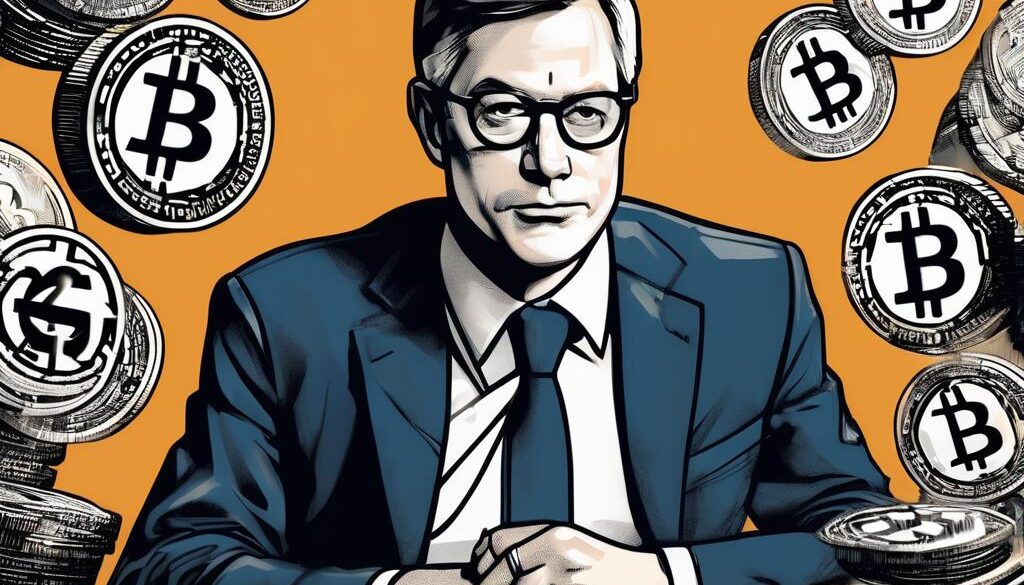
JPMorgan CEO Brands Crypto Tokens as ‘‘ – Why His Words Still Spark Debate
In the fast-moving world of finance, few voices carry as much weight as Jamie Dimon, the long-time CEO of JPMorgan Chase. Recently, he made headlines again by calling crypto tokens like Bitcoin “
Who is and Why Does His Opinion Matter?
His words come from a public talk, captured on video. They highlight his deep distrust of decentralized assets that bypass banks like his.
What is a ? Breaking Down Dimon’s Claim
A classic Ponzi scheme promises high returns to early investors, paid with money from new ones. It collapses when new money dries up. Dimon calls crypto “decentralized” versions because:
- No central control: Unlike traditional Ponzis run by one person, crypto runs on global networks.
- Speculative hype: Prices soar on buzz, then crash hard. Bitcoin hit $69,000 in 2021, now hovers around $60,000.
- Little real use: Dimon says tokens have no intrinsic value, just trading value.
- Crime links: He points to scams, hacks, and money laundering in crypto.
Dimon’s view: Crypto attracts gamblers, not serious investors. Banks like JPMorgan offer stable products backed by real assets.
The Crypto Bull Case: Countering ‘s Critique
Crypto fans disagree strongly. Here’s why they say Dimon is wrong:
- Store of value: Bitcoin is “digital gold”. Its fixed supply (21 million coins) fights inflation, unlike endless fiat money printing.
- Growing adoption: Over 500 million users worldwide. Companies like Tesla and MicroStrategy hold billions in Bitcoin.
- Institutional buy-in: BlackRock and Fidelity launched Bitcoin ETFs in 2024, pulling in $50 billion+.
- Tech innovation: Blockchain enables fast, cheap cross-border payments. Ethereum powers DeFi apps lending billions.
Volatility? Yes, but stocks and gold swing too. Scams exist everywhere – remember Bernie Madoff’s $65 billion Ponzi in traditional finance?
JPMorgan’s Double Game: Talking Trash While Building Crypto Tools
Here’s the irony: While
- JPM Coin: Their own digital token for instant bank transfers, used by clients since 2019.
- Onyx platform: Blockchain service handling $1 billion+ daily in transactions.
- Tokenized assets: JPM experiments with tokenizing gold and deposits on public blockchains.
Dimon clarifies: He hates unregulated tokens like Bitcoin but likes permissioned blockchains controlled by banks. Crypto’s open nature threatens his empire.
A Timeline of ‘s Crypto Flip-Flops
Dimon’s stance has evolved:
| Year | Statement |
|---|---|
| 2017 | “Bitcoin is a fraud” – Banned trading at JPM. |
| 2020 | Regrets the ban; starts JPM Coin. |
| 2022 | Supports blockchain but not Bitcoin. |
| 2024 | “ |
This shows tension: Banks want blockchain benefits without losing control.
Impact on Markets: Does Dimon Move Prices?
His words often spark dips. After past rants, Bitcoin fell 10-20%. But it always rebounds stronger. Why? Fundamentals like halvings and ETF inflows outweigh banker talk.
Search trends for “
What This Means for Crypto Investors
Dimon’s skepticism is healthy – it weeds out weak hands. But calling crypto a Ponzi ignores real progress:
- Ethereum’s upgrades make it faster, greener.
- Solana and others handle thousands of transactions per second.
- Governments eye CBDCs, inspired by crypto.
Advice: Don’t bet the farm. Diversify. Focus on projects with real utility, strong teams, and audits.
The Bigger Picture: Banks vs. Blockchain
Prediction: By 2030, banks will custody trillions in crypto. Dimon may eat his words – or rebrand them.
Final Thoughts
What do you think? Is Dimon onto something, or just protecting his turf? Share in the comments!