Blockchain’s Hidden Malware Menace: Dormant Threats Infecting Dozens of Global Targets

Introduction: A Fake Job Offer Turns into a Nightmare
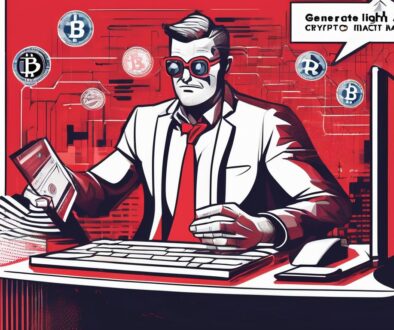
Imagine getting a LinkedIn message for a simple freelance web development gig. It sounds perfect, right? But for one tech expert, it was the start of a shocking discovery. Hidden in the GitHub code was a sneaky attack chain. This chain pulled malicious code from blockchains like TRON and Aptos, then jumped to Binance Smart Chain to unleash Omnistealer – a malware that steals everything from crypto wallets to passwords.
This isn’t just one bad day. It’s a massive
How the Attack Works: A Step-by-Step Breakdown
Hackers start with fake job offers on platforms like LinkedIn, Upwork, Telegram, and Discord. They target developers, especially in places like India where many new GitHub users come from and crypto use is high.
- Step 1: Victim runs innocent-looking code from GitHub.
- Step 2: Code connects to cheap blockchains like TRON or Aptos to grab a “pointer”.
- Step 3: Pointer leads to Binance Smart Chain, which deploys the full Omnistealer malware.
Omnistealer is brutal. It works with over 60 crypto wallets like MetaMask and Coinbase, 10+ password managers like LastPass, major browsers like Chrome and Firefox, and even cloud storage like Google Drive. It grabs crypto, passwords, and company secrets.
The Scope: Bigger Than WannaCry?
Experts compare this to the 2017 WannaCry ransomware that hit 200,000 computers. But this could spread even wider. So far, 300,000 stolen credentials are linked, and that’s just the start. Targets include:
- US military suppliers like those working with Lockheed Martin.
- Defense and cybersecurity firms.
- Government emails ending in .gov.
- Surprising ones like food delivery services and financial compliance companies.
- Companies in the US, Bangladesh, India, France, and more.
Hackers use two tricks:
- Pose as recruiters to trick contractors into running bad code.
- Pose as freelancers submitting pull requests with hidden malware on GitHub.
The malware has been sleeping on blockchains for years, like sleeper agents waiting to activate.
Why Blockchain? The Perfect Hiding Spot
Blockchains are public ledgers for crypto transactions. They’re cheap to use, especially TRON and Aptos. Once malware code is embedded, it’s immutable – forever there. As more transactions happen, it gets buried deeper, making it hard and costly to find.
This is a new trend:
Who’s Behind It? Clues Point to North Korea
IP addresses link to Vladivostok, Russia – a spot tied to North Korean ops. Crypto wallets match Lazarus Group (WannaCry, Sony hack) and a $1.5B Bybit theft in 2025. Tactics match “Contagion Interview,” a North Korean group using fake jobs.
Why NK? Sanctions make crypto theft key for funding weapons. Stolen credentials could create fake IDs for IT workers to launder money or sell on dark web.
FBI knows: “DPRK uses social engineering on blockchain devs.” Investigations ongoing.
Strange Discoveries: X-Rays and Rocket Papers
Investigators found extras hidden in blockchain data: a chest X-ray and a rocket propulsion paper. Testing limits? Or secret messages like old “numbers stations”? Hackers spotted in Southeast Asia Airbnbs, maybe experimenting.
Real-World Impact: Devs and Companies at Risk
South Asian freelancers lose trust and jobs. Companies face data breaches, especially sensitive defense ones. GitHub feels unsafe now – always check code!
How to Protect Yourself and Your Team
Stay safe with these tips:
- Verify jobs: Check recruiter profiles, avoid unknown downloads.
- Sandbox code: Test in secure environments, never on main machines.
- Wallet security: Use hardware wallets, enable 2FA everywhere.
- Monitor chains: Tools like Crystal Intelligence spot threats early.
- Educate teams: Train on phishing, especially for outsourcers.
Platforms like LinkedIn and Upwork warn users too.
The Future: Why This Threat Will Grow
Cheap, permanent, hard to track – blockchain malware is ideal for thieves. As web3 grows, expect more. But awareness and tools can fight back.
Conclusion: Wake Up to the
This attack shows crypto’s dark side.
What do you think? Share in comments if you’ve seen fake job scams!