Layton Utah Bans Crypto ATMs: How $2M in Scams Sparked a Citywide Crackdown
What You Need to Know About
In a bold move to fight rising fraud, Layton City in Utah has passed a new rule. This ordinance bans all cryptocurrency ATMs, also called bitcoin teller machines, from city limits. The decision comes after police uncovered about $2 million in scam losses from 2021 to 2025. These machines made it easy for crooks to steal money from everyday people.
The Rise of Crypto ATMs and Why They Attract Scammers
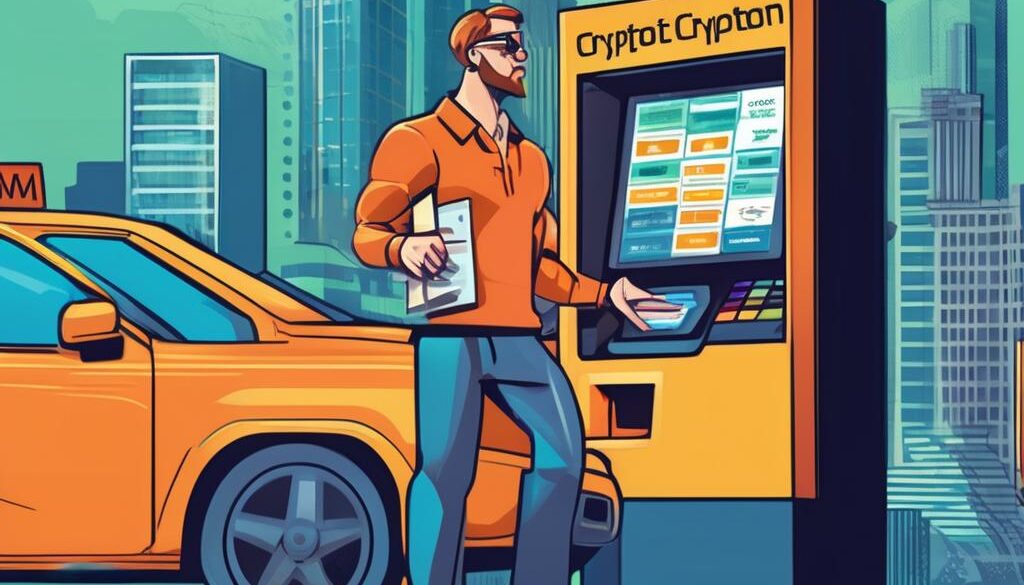
Crypto ATMs are kiosks where you can buy or sell digital coins like Bitcoin using cash. They popped up in stores, malls, and gas stations across the U.S. In Layton alone, there were 18 of these machines. They promise quick and easy access to crypto, but they have a dark side.
Scammers love these kiosks because they are simple to use. Victims deposit cash, and the money turns into crypto that goes straight to the crook’s wallet. Once it’s in crypto form, it’s hard for police to get it back. No banks or paper trails to follow.
- High fees: These machines charge 10-20% fees, which scammers don’t mind paying.
- Cash only: Perfect for hiding illegal money.
- Fast transfers: Money vanishes in minutes.
How the Scams Work in Layton
Layton police investigated and found a pattern. Crooks target people who don’t know much about crypto. They create fake emergencies to push victims into action.
Common tricks include:
- Grandparent scam: Call pretending to be a grandchild in jail. “Send money now via Bitcoin ATM or I’ll stay locked up.”
- Tech support fraud: Fake pop-up says your computer is hacked. “Deposit cash at kiosk to fix it.”
- Romance scams: Online lover needs urgent help. “Buy gift cards or crypto to save me.”
- Government impersonation: Pretend to be IRS or police demanding payment in crypto.
One real case in Layton showed a victim losing a big sum at a kiosk. Police put up warning flyers right next to the machine. The photo captured the scam in action, highlighting the danger.
Layton’s Response: The New Ordinance Details
The city council acted fast after the probe. The ordinance targets only physical kiosks. You can still buy, sell, or hold crypto on your phone or computer. Personal use is safe.
Key rules:
- All new crypto ATMs are banned.
- Existing 18 machines must go within 60 days.
- No exceptions for operators.
This is not anti-crypto. It’s anti-scam. Police say, “Be careful if someone pushes you to pay with crypto, especially with threats, urgency, or secrecy.”
Broader Impact on Crypto and Local Communities
Layton is not alone. Other cities like New York and Chicago have rules on crypto kiosks due to scams. Nationally, the FBI reports billions lost to crypto fraud yearly. In 2023 alone, over $3.9 billion gone.
Pros of the ban:
- Stops easy scam tools.
- Protects seniors and newbies.
- Cuts fraud losses.
Cons:
- Limits quick cash-to-crypto access for legit users.
- May push people to riskier online exchanges.
- Operators lose business.
This could set a trend. More towns might ban kiosks as scams grow. But it raises questions: Is regulation killing crypto innovation, or saving users?
Tips to Avoid Crypto Scams
Stay safe with these simple steps:
- Never rush: Real companies don’t demand instant crypto payments.
- Verify: Call family or authorities to check stories.
- Use trusted apps: Stick to big exchanges like Coinbase, not kiosks for big buys.
- Report it: Tell police or FTC at once.
- Educate yourself: Learn basics at sites like CoinDesk or official crypto pages.
Remember, if it feels off, it probably is. Crypto is powerful, but scammers exploit the new tech.
What This Means for Crypto’s Future in the U.S.
Bans like Layton’s show growing pains for crypto. Governments want safety without stifling growth. Federal rules might come, like better kiosk ID checks or fee caps.
For users, adapt: Use bank-linked apps, hardware wallets, and peer-to-peer trades safely. The tech is here to stay, but smarter use is key.
Layton’s move protects its 80,000 residents from more pain. It sends a message: Innovation yes, crime no.
Final Thoughts
The
Share your scam stories or thoughts in the comments. Stay safe out there!