Minnesota’s Crackdown on Crypto ATMs: Why Lawmakers Want a Total Ban to Stop Senior Scams
Minnesota’s Crackdown on Crypto ATMs: Why Lawmakers Want a Total Ban to Stop Senior Scams
Imagine an elderly person standing confused at a gas station, feeding their hard-earned savings into a
What Are Crypto ATMs and Why Are They a Problem?
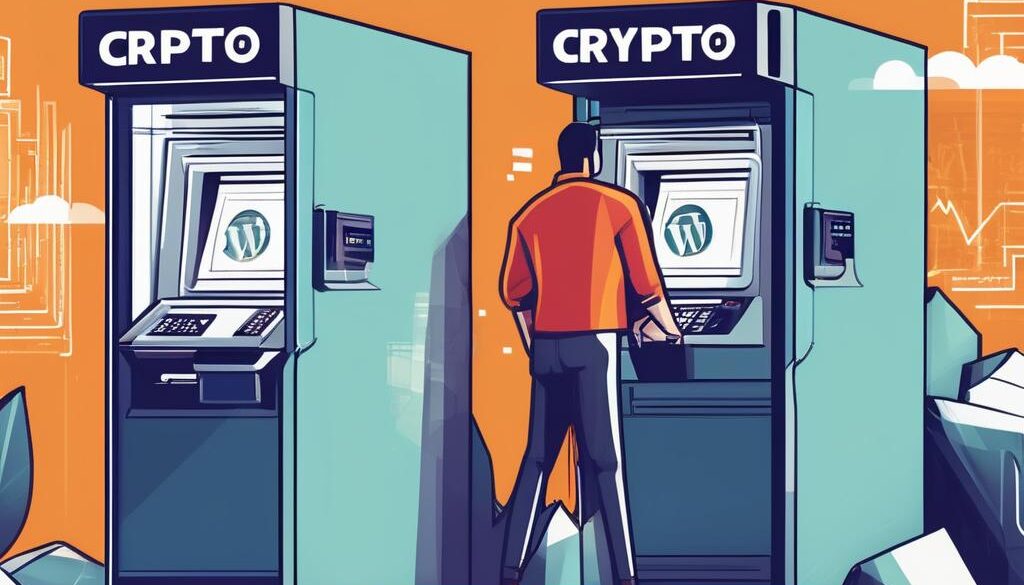
Crypto ATMs, also called Bitcoin kiosks, let people buy or sell cryptocurrencies like Bitcoin using cash or debit cards. They look like regular ATMs but deal with digital money. There are about 350 licensed ones in Minnesota alone.
These machines are easy to find in places like gas stations and stores. But scammers love them. Why? Crypto transactions are hard to trace. Once money turns into cryptocurrency, it’s tough for police to follow the trail and catch the bad guys.
In 2025, Minnesota saw 70 official complaints about fraud linked to these kiosks. The losses? Over $540,000. Most victims are seniors who lose their pensions or retirement savings.
The Heartbreaking Story That Sparked the Ban
The push for a ban started with one sad case. Police got a call about a confused senior at a gas station
She was close to living in her car. Scammers had used fake stories and emotions to trick her. They posed as family or helpers in need. This story hit hard and showed lawmakers the real danger.
How Scammers Target the Elderly with Crypto ATMs
- Fake emergencies: Scammers call pretending to be a grandchild in trouble. They demand quick cash sent via crypto.
- Romance scams: They build trust online, then ask for crypto to “help” with a problem.
- Tech support tricks: Fake alerts say your computer is hacked. Pay in crypto to fix it.
Victims rush to the nearest
Bill HF3642: The Legislation Behind the Ban
Rep. Erin Koegel sponsored Bill HF3642. It teams up lawmakers, police, and the Department of Commerce. The bill would ban all virtual currency kiosks that take cash or debit cards.
Why so strict? Current rules aren’t enough. The Commerce Department says only 48% of complaints get refunds. And those refunds cover just 16% of the lost money. That’s not protection—it’s a failure.
Crypto Companies Fight Back: “Our Rules Are Enough”
Not everyone agrees with the ban. Crypto firms say it’s unfair. They point to safety steps like:
- Transaction limits to cap buys.
- Holding periods before funds move.
- ID checks for big amounts.
Larry Lipka from CoinFlip admits scammers are bad. “They’re stealing from Americans,” he said. But he claims their tools work. CoinFlip has 8,000 customers in Minnesota and 12,000 transactions last year. Less than 1% needed refunds.
Sam Smith from the Commerce Department disagrees. Low refund rates prove more is needed. “We can’t let fraud continue,” he argues.
Bigger Picture: How This Affects the Whole US
Minnesota has 350 kiosks, but the US has thousands. A ban here could set a precedent. Other states like New York and California already have tight crypto rules. More might follow if Minnesota wins.
Crypto ATMs grew fast during the Bitcoin boom. They offer quick access without banks. But fraud reports are rising nationwide. The FBI warns crypto scams hit $3.9 billion in 2023 alone.
Pros and Cons of Banning Crypto ATMs
| Pros of Ban | Cons of Ban |
|---|---|
| Stops easy scam access for cash-to-crypto. | Limits legit users’ options. |
| Protects seniors and vulnerable groups. | Hurts small businesses hosting kiosks. |
| Forces better industry standards. | Scammers might use online exchanges. |
What Could Replace a Full Ban?
Instead of banning, some suggest smarter fixes:
- Stronger ID checks: Require photos and fingerprints.
- Warning screens: Big alerts about scams on every machine.
- Daily limits: Cap at $1,000 per person.
- Elderly education: Free classes on scam signs.
- Hotline links: One-tap to report fraud.
Apps and online exchanges could fill the gap with better security. But kiosks are popular for privacy and speed.
The Future of Crypto in Minnesota and Beyond
This bill shows growing tension between crypto innovation and consumer safety. Blockchain promises fast, borderless money. But without trust, it fails.
Lawmakers must balance. Ban might save lives but slow adoption. Better rules could protect without killing growth.
Watch Bill HF3642 closely. It could change how America handles
Key Takeaways
- Minnesota wants to ban
over $540K in 2025 fraud. - Seniors are hit hardest by scams using these machines.
- Industry says current protections work; state says no.
- Decision could impact US-wide crypto rules.
What do you think? Should states ban crypto ATMs or fix the rules? Share in comments.