Utah’s First Strike Against Cryptocurrency Scams: Layton Bans Crypto ATMs to Shield Residents
Utah’s First Strike Against : Layton Bans Crypto ATMs to Shield Residents
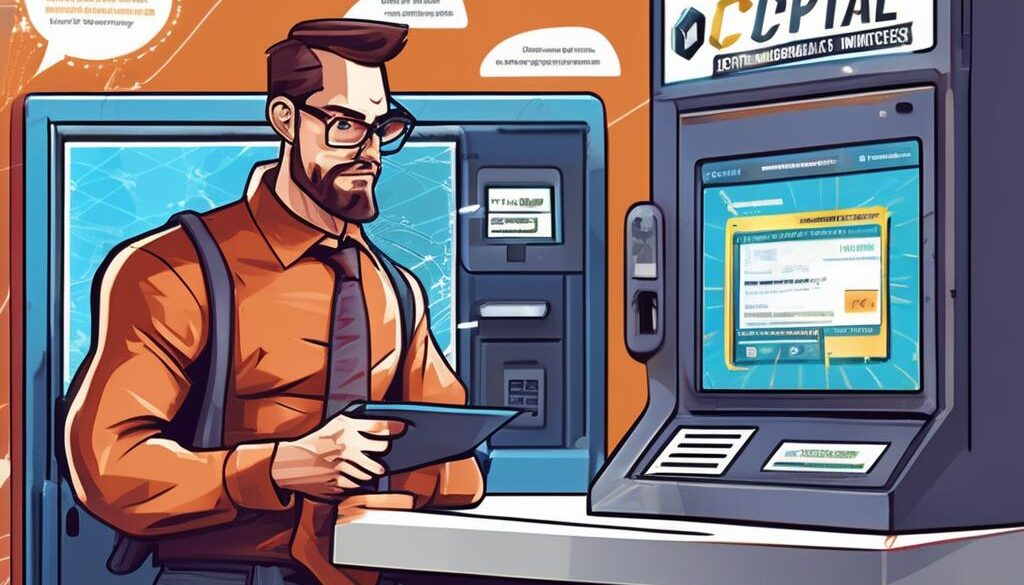
In the fast-growing world of cryptocurrency, excitement often hides big risks. Utah is now taking strong steps to fight back. The city of Layton made history as the first in the state to ban cryptocurrency kiosk machines, or crypto ATMs. This move comes after many locals lost huge sums of money to scams. These machines, found in stores and gas stations, let people buy crypto with cash. But scammers love them because transfers are quick and hard to reverse.
Why Layton Took Action: A Wave of Local Victims
Crypto scams have hit Utah hard. Fraudsters trick people into using these kiosks to send money. Once the cash goes in, it’s gone forever in most cases. Layton’s leaders saw the damage and passed an ordinance to remove all crypto ATMs from the city. This ban aims to cut off a key tool for scammers.
Experts from the FBI say these scams target everyone, but older adults are hit the hardest. Victims often follow step-by-step instructions from online crooks. They deposit cash at a kiosk, scan a code, and watch their savings vanish. The high fees on these machines – sometimes 20% or more – make it even worse.
A Real-Life Nightmare: One Woman’s $850,000 Loss
Meet a Utah woman who lost everything to a clever scam. It started with a simple message on LinkedIn in 2023. A man reached out, built trust, and acted like he cared. Soon, it turned into a fake romance. He convinced her to join a “crypto investment” together.
“He said we should invest in crypto,” she shared. What began as small asks grew into demands for more money. By the end, she had lost $850,000 – her entire savings and then some. “He figured out I was an easy target,” she said. This story shows how scammers build fake relationships to steal big.
These romance scams mix emotion with crypto’s promise of quick riches. Victims send funds thinking it’s a shared opportunity. But it’s all a lie.
FBI Warning: Recovering Money Is Rare
FBI agents in the area call these scams tough to stop. “It’s rare we recover the funds,” one agent noted. Crypto moves fast across borders, and blockchain trails are hard to follow without expert help.
They praise Layton’s ban. “It will make a big impact, especially for seniors,” the agent said. Without kiosks, scammers can’t easily guide victims through the process. No more walking someone to a machine and watching the cash disappear.
How Crypto Scams Work: Common Tricks Exposed
- Romance Scams: Fake lovers ask for crypto help with “investments.”
- Investment Fraud: Promises of high returns on fake crypto projects.
- ATM Traps: Instructions to buy crypto at kiosks and send to scammer wallets.
- Tech Support Lies: Calls claiming your computer is hacked, demanding crypto payment.
In Utah, scammers even set up fake companies that look real. They create websites mimicking banks or legit firms. This builds false trust.
Scammers Get Smarter with AI and Fake Tech
Crooks don’t stop. They use new tools to stay ahead. Artificial intelligence (AI) helps make deepfake videos and voices. A scammer might impersonate a family member in a video call, begging for crypto.
Fake websites are everywhere. They look just like real banks or crypto exchanges. Some register sham businesses in Utah to seem local and safe. Always check the URL and verify before sending money.
Blockchain’s strength – privacy and speed – is scammers’ best friend. Transactions are forever once confirmed. That’s why kiosks are so dangerous: cash in, crypto out, no take-backs.
5 Simple Ways to Protect Yourself from
- Never Send Crypto to Strangers: If you don’t know them in real life, don’t send money online.
- Verify Investments: Research projects on sites like CoinMarketCap. Avoid unsolicited tips.
- Skip Crypto ATMs for Now: Use trusted exchanges like Coinbase with bank links instead.
- Spot Red Flags: Pressure to act fast, promises of guaranteed profits, or secret deals.
- Use Hardware Wallets: Keep your crypto offline in a safe device like Ledger or Trezor.
Extra tip: Enable two-factor authentication (2FA) on all accounts. And tell family about these risks – many scams target grandparents.
Will Layton’s Ban Spread? Utah’s Bigger Fight
Layton is leading, but the state faces more challenges. Crypto adoption is booming in Utah, with events and meetups everywhere. Scams follow the hype. Other cities might copy the ban. Meanwhile, federal rules on kiosks are tightening nationwide.
The FBI urges quick reporting. Use the Internet Crime Complaint Center (IC3) at ic3.gov. Even if money is lost, reports help track gangs and shut them down.
In 2023, crypto scams cost Americans billions. Utah’s action shows hope. Stay alert, educate others, and enjoy crypto safely.
Final Thoughts: Stay Safe in the Crypto World
Share this post if you know someone at risk. And always double-check before you click send.