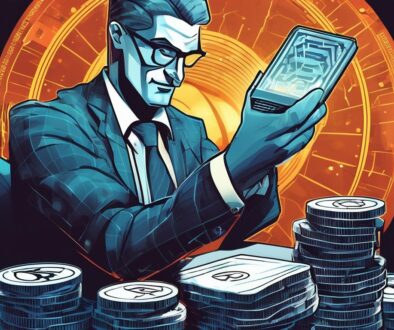
Wall Street’s Blockchain Revolution Begins: SEC Approves Nasdaq Tokenized Trading

Wall Street’s Blockchain Revolution Begins: SEC Approves Nasdaq Tokenized Trading
Stock trading has stayed the same for years. You place an order, middlemen handle the paperwork, and settlement takes at least one day. But now, a big change is here. The
What Does Tokenized Trading Mean?
Tokenization turns real-world assets into digital tokens on a blockchain. Think of it like a super-secure digital ledger. Instead of paper records or old databases, ownership lives on a blockchain. This makes tracking shares faster and harder to fake.
The SEC just okayed Nasdaq’s plan. It allows trading of tokenized versions of popular stocks and ETFs. These tokens have the same rights as regular shares. They use the same ticker symbols too. Traders see them side by side in the order book with equal priority.
- Eligible assets: Stocks from the Russell 1000 Index.
- ETFs: Those linked to S&P 500, Nasdaq-100, and more.
- How to use: Just flag your order as tokenized. Nasdaq sends it to DTC for handling.
DTC is the Depository Trust Company. It’s the quiet giant behind Wall Street’s ownership records. This builds on a pilot DTC started last December with SEC staff approval. DTC members can now convert shares to blockchain tokens in digital wallets.
The Road to This Approval
Blockchain has buzzed in crypto for years. Promises of instant trades and 24/7 markets drew investors. But regulators moved slow. They worry about risks like hacks or market chaos.
This Nasdaq rule is a safe first step. It uses existing rules. Tokenized trades settle on the T+1 timeline. That’s one business day after trade, same as now. No speed boost yet. Crypto fans wanted instant settlement. They got a gentle nudge instead.
This isn’t the full blockchain dream, but it’s real progress. Wall Street is testing the waters.
Why This Matters for Investors
For everyday traders, it’s optional. Want blockchain? Pick the flag. Otherwise, stick to normal shares. Benefits include:
- Better tracking: Blockchain logs every move forever.
- Less errors: Cuts middlemen mistakes.
- Future-proof: Prepares for faster tech.
Institutional players love it. Big funds hold Russell 1000 stocks. Tokenization could streamline their ops. Retail investors get a peek at crypto tech without full risk.
The Limits and What’s Missing
Don’t pop champagne yet. Settlement stays T+1. No 24/7 trading. No stablecoin payments. Experts say it offers no speed gain. Crypto purists call it baby steps.
But steps build stairs. This sets rules for tokenized assets. It proves blockchain works in regulated markets.
What’s Next? NYSE and Beyond
Nasdaq calls this one option. More ideas are in works. The New York Stock Exchange plans its platform. It eyes 24/7 trades, instant settlement, and stablecoin funding. Game-changer?
DTC must build tech first. Nasdaq gives 30 days notice before launch. Expect live trading soon.
Regulators eye crypto split: SEC on securities, CFTC on commodities. Tokenized stocks fall under SEC. This fits the puzzle.
Blockchain’s Bigger Picture in Finance
Tokenization isn’t new in crypto. Platforms like Ethereum tokenize art, real estate. Now stocks join. Benefits:
| Traditional Trading | Tokenized Trading |
|---|---|
| Slow settlement | Potential for instant (future) |
| Many middlemen | Blockchain transparency |
| High costs | Lower fees possible |
Wall Street sees trillions in value. Tokenizing even 1% unlocks billions in efficiency. BlackRock and others test tokenized funds. This SEC nod speeds it up.
Impact on Crypto World
Crypto prices might rise on news. It validates blockchain. Bitcoin and Ethereum holders cheer legitimacy. But expect scrutiny. SEC watches for fraud.
DeFi could learn from this. Regulated tokenization shows safe paths. Hybrids of TradFi and DeFi loom.
Final Thoughts
The
Traders, will you try tokenized stocks? Comment below!