
Crypto ATM Scams Alert: AARP and NC Law Enforcement Team Up to Stop Victims Losing Thousands
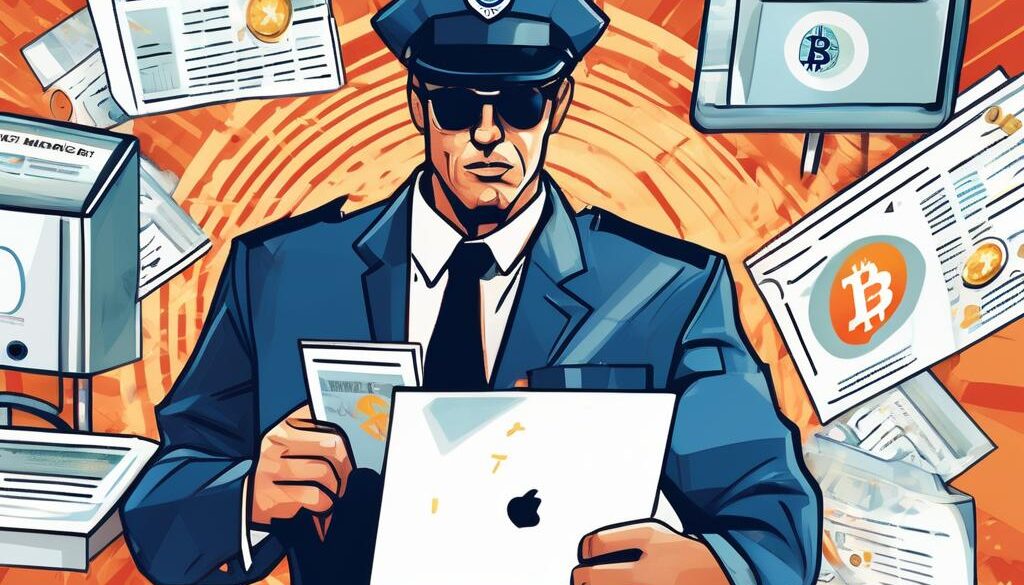
Alert: AARP and NC Law Enforcement Team Up to Stop Victims Losing Thousands
Cryptocurrency ATMs are popping up everywhere – in gas stations, grocery stores, and corner shops. They promise an easy way to buy Bitcoin or other cryptos with cash. But these machines are also a hot spot for crypto ATM scams that have cost Americans nearly $389 million in 2025, according to the FBI. Older adults are hit the hardest, making up 76% of the losses.
In North Carolina’s Triangle area, like Raleigh and Fuquay-Varina, a new fight is on to stop these scams. AARP Fraud Watch volunteers are joining forces with local police to warn business owners and customers. This story dives into how these scams work, real victim tales, and simple ways to stay safe.
What Are Cryptocurrency ATMs and Why Do Scammers Love Them?
Crypto ATMs, also called Bitcoin ATMs, let you insert cash and get cryptocurrency sent to your digital wallet. Sounds simple, right? But scammers use them because:
- Once cash turns into crypto, it’s nearly impossible to trace or recover.
- No banks or credit cards are involved, so no fraud protection.
- Scammers stay hidden using tech like VPNs and fake numbers.
These kiosks are in everyday spots, making them easy for victims to reach in a panic. In 2025, FBI data shows a huge jump in losses, with seniors over 60 losing the most.
A Real Victim’s Nightmare: The Fake Warrant Trick
Meet Dolores Miller, a North Carolina resident who lost almost $10,000 to a
“Take cash for bond money and put it in the Bitcoin machine,” the scammer said. Panicked, Miller rushed to a nearby crypto ATM. She fed in stacks of hundred-dollar bills while the scammer stayed on the phone, playing “good cop” when she cried. “It’s going to be all right, I’m here with you,” they lied.
By the time she saw the truth, her money was gone – converted to crypto and vanished forever. “I felt totally manipulated in my body, soul, and mind,” Miller shared. Her story is all too common in cryptocurrency ATM scams.
How Usually Start
Scammers are smart and use fear. Here’s the typical playbook:
- Threatening Call: They pose as police, IRS agents, or tech support. They claim you have fraud charges, a warrant, or a hacked account.
- Urgency: “Act now or go to jail!” They push you to withdraw cash fast.
- Crypto ATM Direction: “Buy Bitcoin at the ATM and send it to this wallet address.” They guide you step-by-step.
- Control: Stay on speakerphone, calm you down, even demand more money for “fees.”
Key red flag: No real authority ever asks you to buy crypto or use an ATM this way. If they do, hang up and call police yourself.
AARP and NC Police Take Action
To fight back, AARP Fraud Watch volunteers teamed with law enforcement in the Triangle. They visited gas stations and stores with crypto ATMs, urging owners to post big warning signs. “We like to find business owners who want to be part of the solution,” said Steve Hahn from AARP.
At one gas station, cashier Hari Kharel sees confused customers daily. “They ask how to use the machine, like how to put the money in,” he said. These visits aim to educate everyone – owners, cashiers, and shoppers.
Fuquay-Varina Police Investigator Bryan Williscroft joined in. “These scams are common and hard to solve once money hits crypto,” he explained. “Tech hides who they are and where they are. It’s a catch-up game.” He stresses spotting signs early: “Everyone thinks ‘it won’t happen to me’ – until it does.”
Why Recovering Money Is So Tough
Blockchain tech makes crypto transactions irreversible. Unlike bank wires or cards, there’s no chargeback. Once sent, funds are gone. Police can track wallets sometimes, but scammers mix coins or use tumblers to hide trails.
Plus, North Carolina has no state laws regulating crypto ATMs yet. Many other states require licenses, ID checks, and limits. Advocates now push NC lawmakers for rules to add protections like customer warnings and operator background checks.
5 Simple Ways to Avoid
Stay safe with these tips:
- Never buy crypto under pressure. Real problems don’t need instant Bitcoin.
- Verify callers. Hang up and call official numbers from their website.
- Ask a trusted friend. Don’t act alone if scared.
- Report suspicious ATMs. Tell store owners or police if no warnings.
- Use regulated exchanges. Apps like Coinbase have better safety than cash ATMs.
For seniors: Join AARP Fraud Watch Network for free alerts and tools. Download their app to check scam calls in real-time.
The Bigger Picture: A Growing Threat in Crypto
Business owners play a key role. Train staff to spot panic, offer help, and direct people to safer options. Lawmakers must act too for statewide rules.
Final Warning from Experts
Authorities repeat: If anyone tells you to withdraw cash and head to a cryptocurrency ATM, it’s 100% a scam. Tell family, friends, and neighbors – especially older ones. Share this post to spread the word.
By working together like AARP and NC law enforcement, we can cut losses from these heartless Bitcoin ATM scams. Stay vigilant, think twice, and keep your money safe.
Keywords: crypto ATM scams, Bitcoin ATM fraud, senior crypto scams, NC crypto regulations


